

US launches new GPS III satellite into orbit
10.04.25 57
57
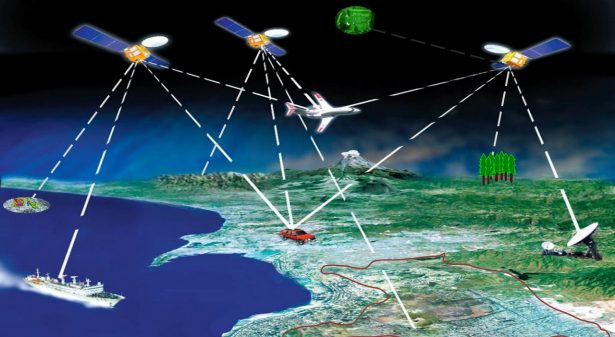
The U.S. Space Force is preparing to launch a new GPS III satellite in late May. The mission is expected to demonstrate the ability to rapidly prepare satellites for launch and place them in orbit in a shorter time frame than traditional procedures.
The Space Force has previously tested this approach. In December 2024, the first Rapid Response Trailblazer mission successfully launched one of the GPS III satellites into orbit aboard a SpaceX Falcon 9 rocket. That time, the preparation took just a few months, while such operations typically take up to two years.
The new satellite, made by Lockheed Martin, was first transported from its facility in Littleton, Colorado, to Buckley Space Force Base, and then delivered by C-17 aircraft to the Space Force Station at Cape Canaveral in Florida. The transport was completed on April 3, and Delta 31 is currently conducting initial preparation work on the device.
According to Malik Musawir, vice president of navigation systems at Lockheed Martin, the company has only two GPS III satellites left, which are scheduled to be launched by the end of 2025. After that, the launch phase of a new series of GPS IIIF satellites will begin. Their first flight is scheduled for late 2026 or early 2027. The new version will feature improved protection against interference and an upgraded civilian navigation signal.
At least 31 GPS satellites are currently in orbit, including both older models and new GPS IIIs. In the face of growing threats associated with jamming and signal spoofing, the Space Force is paying special attention to strengthening the navigation system architecture.
One such project is the Resilient GPS program, which involves creating a new constellation of small satellites. So far, three companies have received contracts to develop prototypes. The first batch of eight spacecraft is scheduled to launch by 2028.
In parallel, the analysis of the architecture of the Positioning, Navigation and Timing (PNT) system continues. The results of this study should determine the next steps in the development of navigation capabilities. Completion of the work is scheduled for the summer of 2025.
Don't miss interesting news
Subscribe to our channels and read announcements of high-tech news, tes

Samsung Galaxy Fold7: not a smartphone, not a tablet, something more
 0
0 
Samsung Galaxy Fold series of smartphones is notable for its folding design and large display. The new generation model had an even larger screen, advanced cameras, stronger hardware and improved ergonomics.
NVIDIA Blackwell – architecture with new capabilities for AI and content creation
0 
NVIDIA technologies that were previously only available to owners of professional graphics cards are now open to ordinary users. Let’s talk about the capabilities of the Blackwell architecture in the field of artificial intelligence and content creation.
Garmin Instinct Crossover – hybrid smartwatch costs $600 with AMOLED screen, flashlight and sapphire glass smart watches

Garmin Instinct Crossover has a 1.2-inch AMOLED display with RevoDrive analog hands covered with Super-LumiNova luminescent compound.
New EcoFlow with 288 Wh capacity weigh less than 3 kilograms accumulator

EcoFlow has introduced a new line of portable charging stations in Europe, the Trail series. This device has already been on sale in the US