

TrendForce: By the end of 2024, memory will become cheaper, but video cards will become more expensive
25.06.24 196
196
According to the latest TrendForce report, prices for DRAM and NAND memory are unlikely to increase in the near future. On the contrary, there may be conditions for their reduction.
DRAM
Reasons for lower DRAM prices:
- Overstock: The market has accumulated a large amount of memory.
- Smuggling of recovered memory: The Chinese government’s actions to combat the smuggling of recovered memory have a significant impact on prices.
Trends in the DRAM market:
- Spot prices for DRAM continue to fall, despite the stability of contract prices.
- Falling demand for consumer goods reduces the need for additional memory from hardware manufacturers.
- Since the end of May, the average spot price of a DDR4 1Gx8 2666 MT/s chip has decreased by 2.54%, from $1,881 to $1,835.
NAND
NAND price reduction:
- On the NAND spot market, the number of transactions is decreasing due to a sufficient level of inventory at SSD manufacturers.
- The 512 Gb 3D TLC NAND wafer spot price fell 0.57% to $3,309.
Factors Affecting the NAND Market:
- Kioxia has stopped production cuts and intends to increase production of 3D NAND memory to increase market share, which may lead to further price reductions.
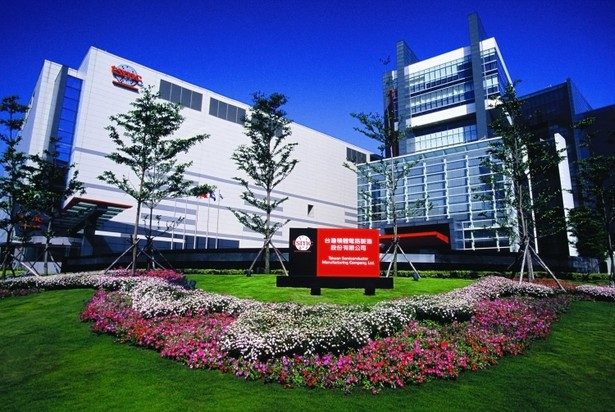
Due to expansion costs and rising energy prices, as well as strong demand, TSMC plans to raise the prices of its advanced processes by 5%. TSMC’s N5, N4 (5nm and 4nm) and N3 (3nm) technology lines are working at full capacity.
Demand for TSMC N3 chips is extremely high, with production fully booked by major customers including Apple and NVIDIA until 2026. TSMC’s capacity utilization is expected to exceed 100% in the second half of the year and strong demand will continue through 2025.
Impact on users
- Potential Price Increases for NVIDIA Graphics Cards: Increased production costs for TSMC N3 chips may be passed on to partners or end users.
- Increasing graphics card prices: A 5% price increase for high-end graphics cards can lead to a significant increase in the cost to end customers, taking into account the value added at each stage of the supply chain.
Thus, despite the decline in DRAM and NAND memory prices, TSMC’s advanced technology process prices are expected to rise, which could affect the cost of end products such as graphics cards and other devices with high-performance chips.
Don't miss interesting news
Subscribe to our channels and read announcements of high-tech news, tes

Samsung Galaxy Fold7: not a smartphone, not a tablet, something more
 0
0 
Samsung Galaxy Fold series of smartphones is notable for its folding design and large display. The new generation model had an even larger screen, advanced cameras, stronger hardware and improved ergonomics.
NVIDIA Blackwell – architecture with new capabilities for AI and content creation
0 
NVIDIA technologies that were previously only available to owners of professional graphics cards are now open to ordinary users. Let’s talk about the capabilities of the Blackwell architecture in the field of artificial intelligence and content creation.
Garmin Instinct Crossover – hybrid smartwatch costs $600 with AMOLED screen, flashlight and sapphire glass smart watches

Garmin Instinct Crossover has a 1.2-inch AMOLED display with RevoDrive analog hands covered with Super-LumiNova luminescent compound.
New EcoFlow with 288 Wh capacity weigh less than 3 kilograms accumulator

EcoFlow has introduced a new line of portable charging stations in Europe, the Trail series. This device has already been on sale in the US