

New Google logo become gradient
15.05.25 114
114
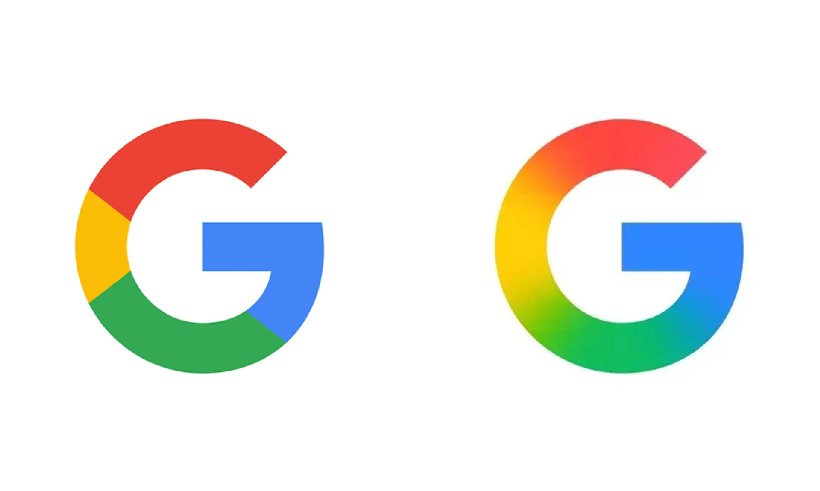
In September 2015, Google introduced a new logo that has become a recognizable symbol of the company for millions of users. Almost a decade later, the company is changing it for the first time — though not radically, according to 9to5Google.
The changes affected the “G” icon, which now has a smoother and more modern look. If it previously consisted of four clearly defined colors, now Google uses gradients – colors flow into each other, creating a softer and more dynamic visual effect. This update has already begun to appear in the Google app for iOS and in the beta version of Android applications.
So far, no changes have been recorded to the main company logo with the inscription “Google”. It is also unknown whether the new style of the icon will be implemented in branded services such as Gmail, Chrome or Maps.
Federal Judge Leonie Brinkima of the US District Court for the Eastern District of Virginia ruled that Google illegally held a monopoly in the online advertising technology market. This is reported by The New York Times. This is the second court decision against the company in a year for violating antitrust laws.
The lawsuit was initiated by the US Department of Justice and a coalition of individual states and concerned the operation of Google’s advertising ecosystem, including products such as Google Ad Manager and technology from DoubleClick, which was acquired in 2008. In 2023, this area brought parent company Alphabet about $31 billion, which is about 10% of its total revenue. Google’s share of the ad placement technology market is 87%.
During a three-week trial in the fall of 2024, government officials tried to prove that Google artificially maintained its dominance by imposing its own tools on publishers and charging excessive fees. This, they said, harmed both competitors and sites that provide free content, and therefore consumers. Representatives of the media and advertising business also testified in the case, who stated that Google’s policies had a negative impact on their activities.
In her decision, Judge Brinkima emphasized that the company’s actions not only restricted competition, but also caused “significant harm” to Google’s customers, the competitive environment and end users. At the same time, one of the positions of the lawsuit was rejected.
Google, in turn, argued that it operates in an environment of fierce competition from other advertising platforms, social networks and streaming services, including TikTok and Netflix. The company’s defense also cited a 2004 U.S. Supreme Court decision that recognized the right of companies to independently select partners and integrate services into their own products. Google’s representative Karen Dunn called Google’s actions the result of “innovation in response to competition.”
The decision increases the pressure on Google: in August 2024, the court recognized the company as a monopoly in the search industry. Both cases became the basis for initiatives by the U.S. Department of Justice, which insists on the structural separation of Google’s business, in particular, the sale of part of the advertising business. If the court satisfies these requirements, this could significantly change the company’s position in the digital advertising market and limit its influence on the Internet infrastructure as a whole.
Don't miss interesting news
Subscribe to our channels and read announcements of high-tech news, tes

Samsung Galaxy Fold7: not a smartphone, not a tablet, something more
 0
0 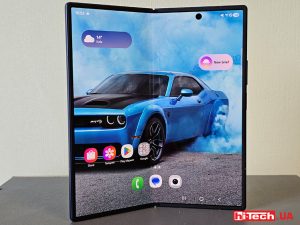
Samsung Galaxy Fold series of smartphones is notable for its folding design and large display. The new generation model had an even larger screen, advanced cameras, stronger hardware and improved ergonomics.
NVIDIA Blackwell – architecture with new capabilities for AI and content creation
0 
NVIDIA technologies that were previously only available to owners of professional graphics cards are now open to ordinary users. Let’s talk about the capabilities of the Blackwell architecture in the field of artificial intelligence and content creation.
Garmin Instinct Crossover – hybrid smartwatch costs $600 with AMOLED screen, flashlight and sapphire glass smart watches

Garmin Instinct Crossover has a 1.2-inch AMOLED display with RevoDrive analog hands covered with Super-LumiNova luminescent compound.
New EcoFlow with 288 Wh capacity weigh less than 3 kilograms accumulator

EcoFlow has introduced a new line of portable charging stations in Europe, the Trail series. This device has already been on sale in the US