

Google will block the installation of applications via apk from 2027
29.08.25 431
431
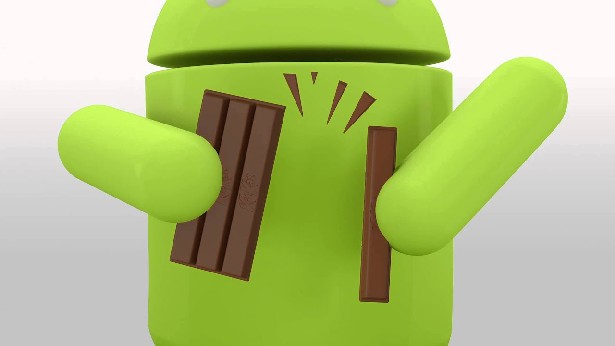
Google announced that starting in 2027, all certified Android devices with Play Protect and Google apps installed will no longer be able to install apps from developers who have not passed additional verification. The system will block the installation of APK files downloaded from the Internet, as well as apps from stores if the developer and app data are not in Google’s centralized database.
Google positions this as a passport control to protect users from malware, which is often distributed through pirated sites. Google notes that the number of hacks through APKs outside the official Play Store is 50 times higher than through the official store. A simplified authorization procedure will be provided for students and hobby developers so that they can continue to publish their apps.
Certified Android devices are smartphones and tablets with a global version of the system, installed with Google Play and other Google apps. Devices with a local version of Android, alternative firmware, or simply a reflash are considered uncertified.
For developers, this means that regardless of the method of distributing the application, they will have to provide Google with personal data, company information, document scans, and application signing keys. The restrictions will be introduced in stages: early access for developers from October 2025, full verification from March 2026, the first regional blocks from September 2026, and global implementation in 2027.
These measures effectively turn Android from an open platform into a controlled environment. Google gets the opportunity to quickly block applications, including alternative YouTube clients or specialized software that previously did not get into the Play Market. This may limit the operation of some specific applications and Chinese applications that are unlikely to update data in the Google database.
On the other hand, the innovation protects users from dangerous software – malicious APKs, hidden cryptocurrency mining, DDoS attacks and other threats. The restrictions will help less experienced users make safer decisions when installing applications and increase the overall protection of the Android ecosystem.
Don't miss interesting news
Subscribe to our channels and read announcements of high-tech news, tes

Samsung Galaxy Fold7: not a smartphone, not a tablet, something more
 0
0 
Samsung Galaxy Fold series of smartphones is notable for its folding design and large display. The new generation model had an even larger screen, advanced cameras, stronger hardware and improved ergonomics.
NVIDIA Blackwell – architecture with new capabilities for AI and content creation
0 
NVIDIA technologies that were previously only available to owners of professional graphics cards are now open to ordinary users. Let’s talk about the capabilities of the Blackwell architecture in the field of artificial intelligence and content creation.
Garmin Instinct Crossover – hybrid smartwatch costs $600 with AMOLED screen, flashlight and sapphire glass smart watches

Garmin Instinct Crossover has a 1.2-inch AMOLED display with RevoDrive analog hands covered with Super-LumiNova luminescent compound.
New EcoFlow with 288 Wh capacity weigh less than 3 kilograms accumulator

EcoFlow has introduced a new line of portable charging stations in Europe, the Trail series. This device has already been on sale in the US