

EU postpones tax implementation for Apple, Google and Meta
17.07.25 17
17
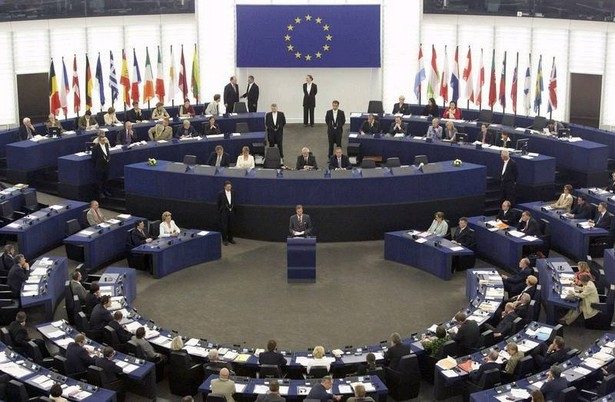
As the European Commission prepared to include a digital tax targeting the largest tech corporations in the EU budget, geopolitics intervened. Donald Trump, the US presidential candidate and potential negotiator for Washington, made it clear that such fiscal measures could turn into trade responses. After that, the digital tax clause disappeared from the EU budget plans without a trace.
Formally, nothing has been canceled. But in practice, it looks like an elegant capitulation: instead of pressure on Big Tech, there is a diplomatic “okay, later.”
What this means for tech giants
For companies like Google, Apple, Amazon and Meta, this is a big win. The tax waiver removes the risk of a new supranational bureaucracy and allows corporations to continue operating within the framework of existing regulatory acts — the Digital Services Act and the Digital Markets Act — without additional fiscal burden.
Nevertheless, the signal is clear: the political will in the EU to pressure Big Tech has not disappeared. It is simply a change in tactics – if not with taxes, then with fees, if not directly, then through environmental regulations or measures to protect digital sovereignty. Corporations are likely to adapt strategies, but countries like Ireland, where budgets depend on taxes from these companies, may find themselves in a difficult position.
A temporary pause, but not the end of the game
The EU’s tactical withdrawal means abandoning its goals. Alternative mechanisms are already being discussed in Brussels: from e-waste levies to tobacco taxes and excess profits. All of this could be refocused on Big Tech – under different formulations and in different forms.
So far, the main result is a gain of time. For the industry, it is a chance to regroup, for the EU an opportunity to prepare a new strategy. The game is ongoing and the finale has not yet been determined.
Don't miss interesting news
Subscribe to our channels and read announcements of high-tech news, tes

Samsung Galaxy Fold7: not a smartphone, not a tablet, something more
 0
0 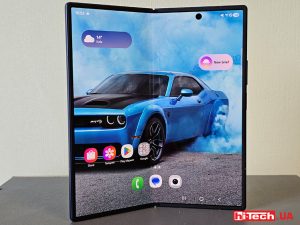
Samsung Galaxy Fold series of smartphones is notable for its folding design and large display. The new generation model had an even larger screen, advanced cameras, stronger hardware and improved ergonomics.
NVIDIA Blackwell – architecture with new capabilities for AI and content creation
0 
NVIDIA technologies that were previously only available to owners of professional graphics cards are now open to ordinary users. Let’s talk about the capabilities of the Blackwell architecture in the field of artificial intelligence and content creation.
Garmin Instinct Crossover – hybrid smartwatch costs $600 with AMOLED screen, flashlight and sapphire glass smart watches

Garmin Instinct Crossover has a 1.2-inch AMOLED display with RevoDrive analog hands covered with Super-LumiNova luminescent compound.
New EcoFlow with 288 Wh capacity weigh less than 3 kilograms accumulator

EcoFlow has introduced a new line of portable charging stations in Europe, the Trail series. This device has already been on sale in the US